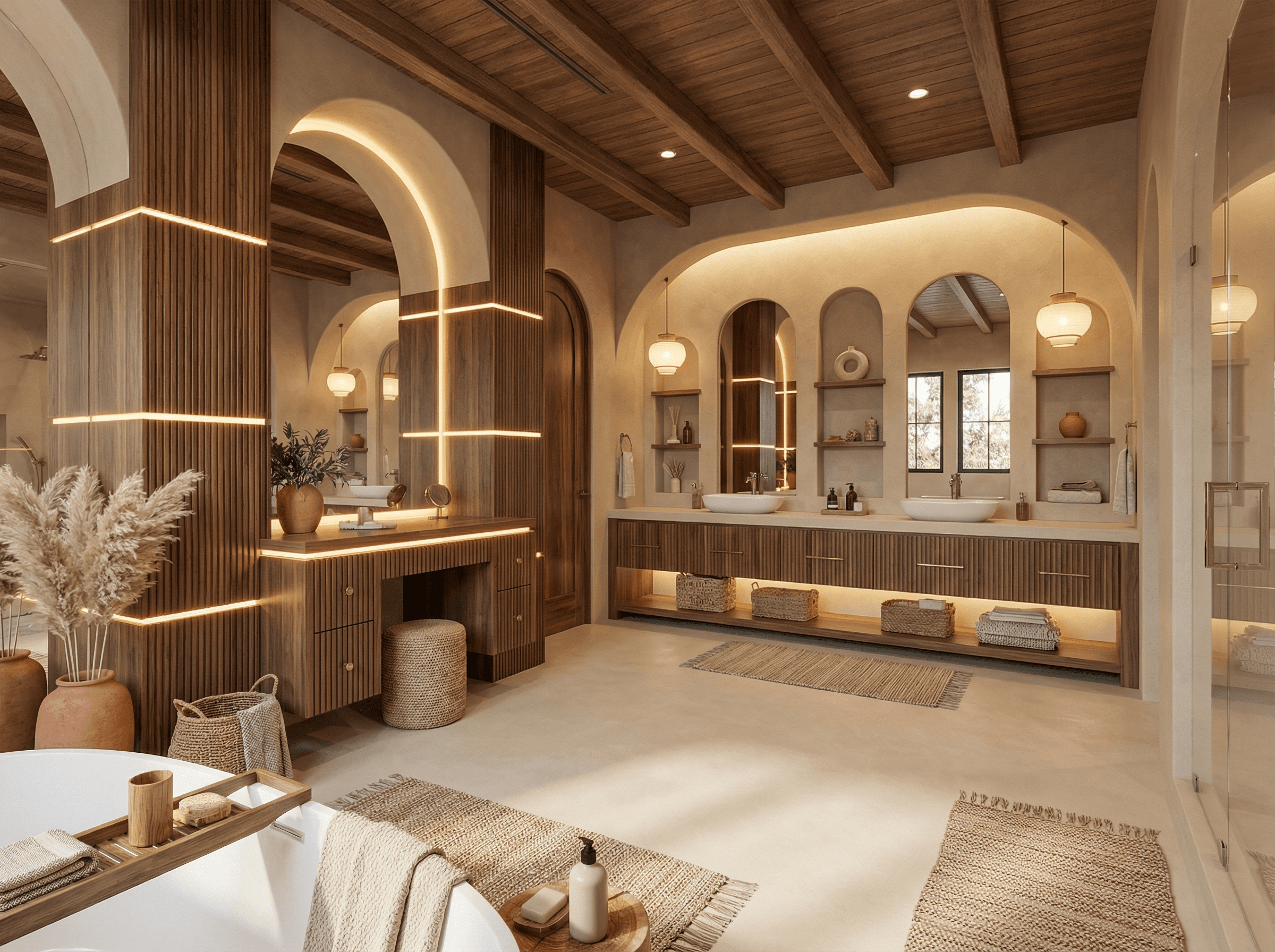
The Human Touch
Making empty houses feel like real homes people can imagine living in.yers imagine life in a home—not just the space inside it.
YEAR//
2026
TIMELINE//
3 Days
SERVICES//
Making empty houses feel like real homes people can imagine living in.
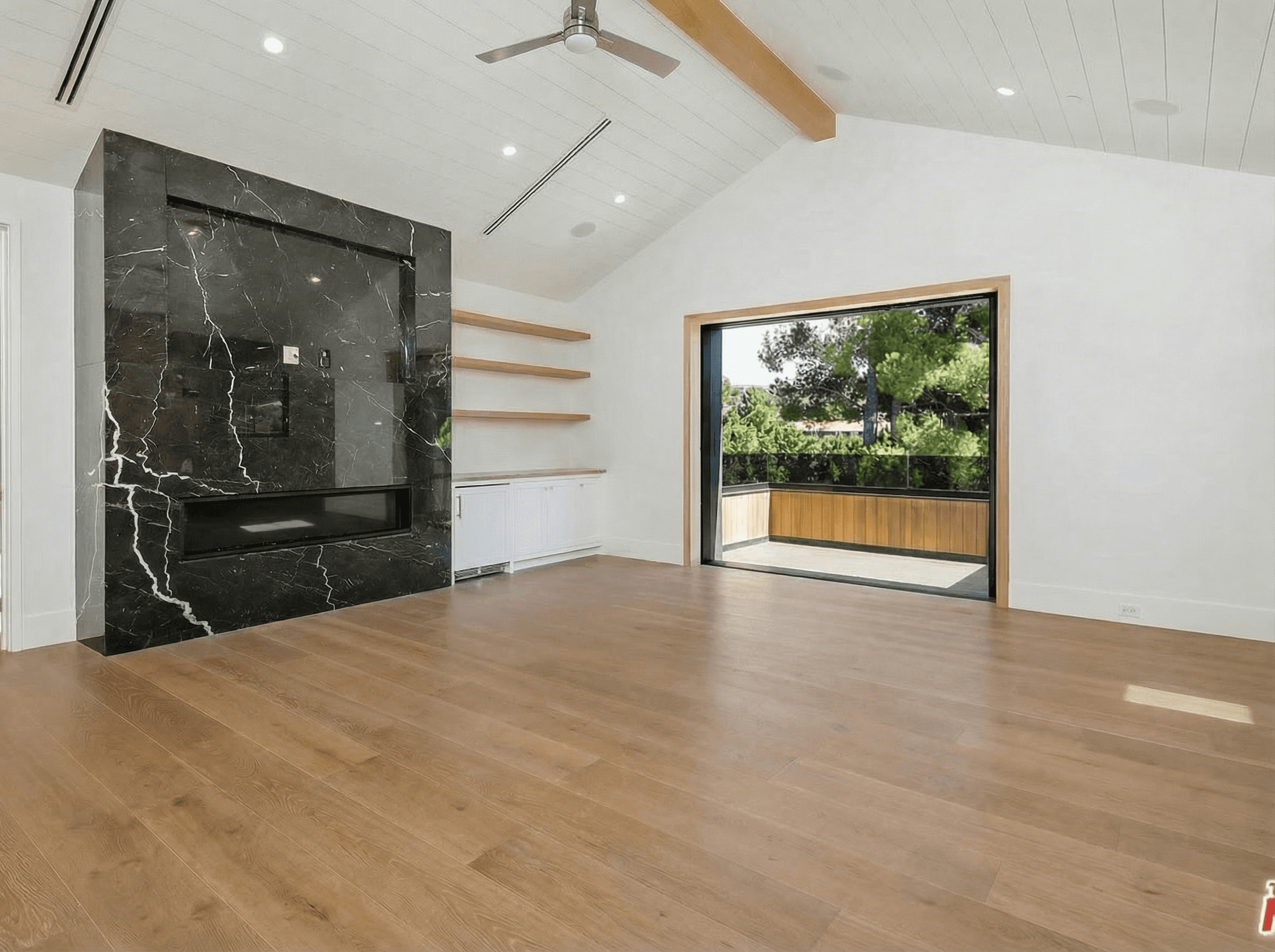
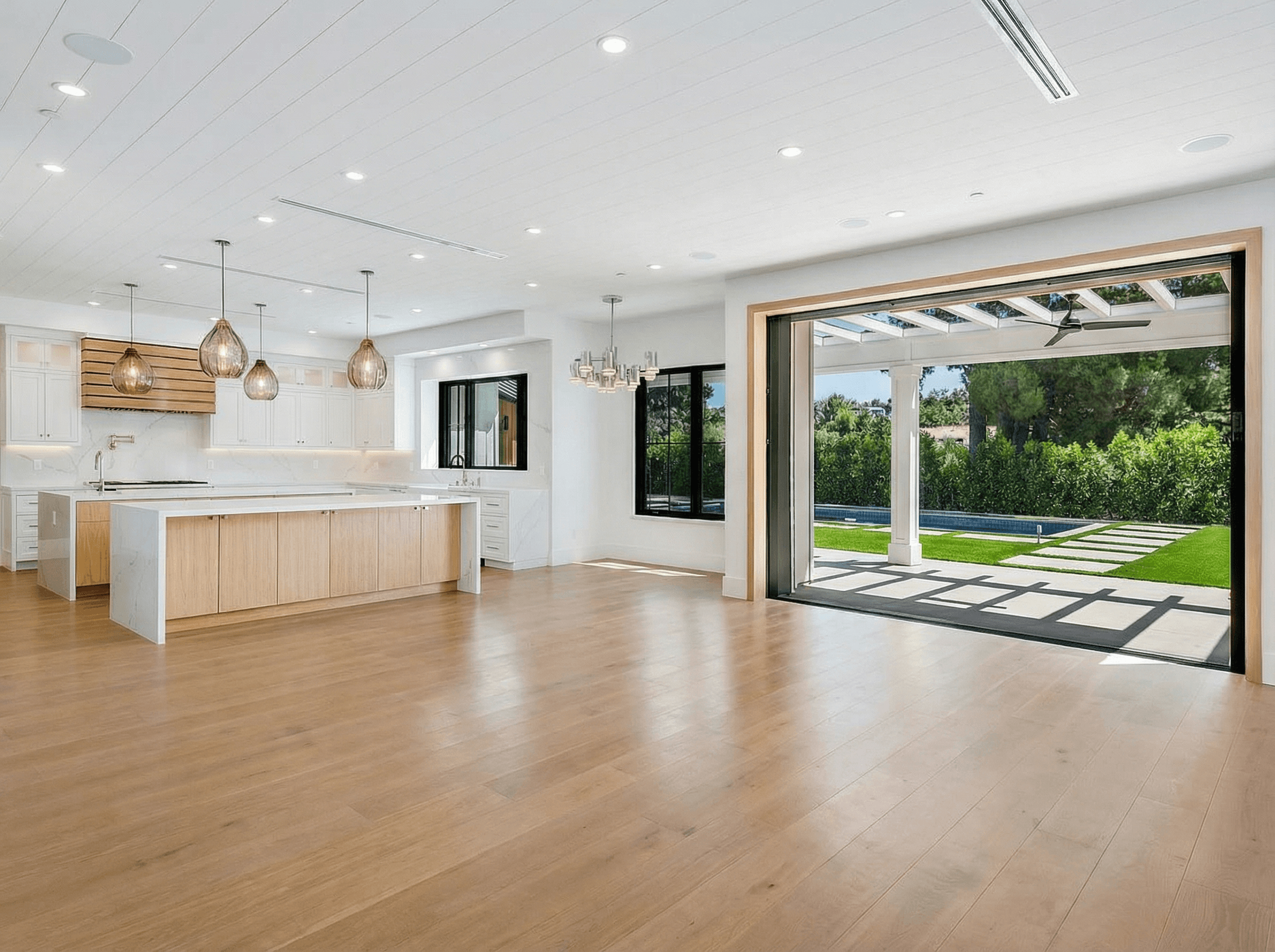
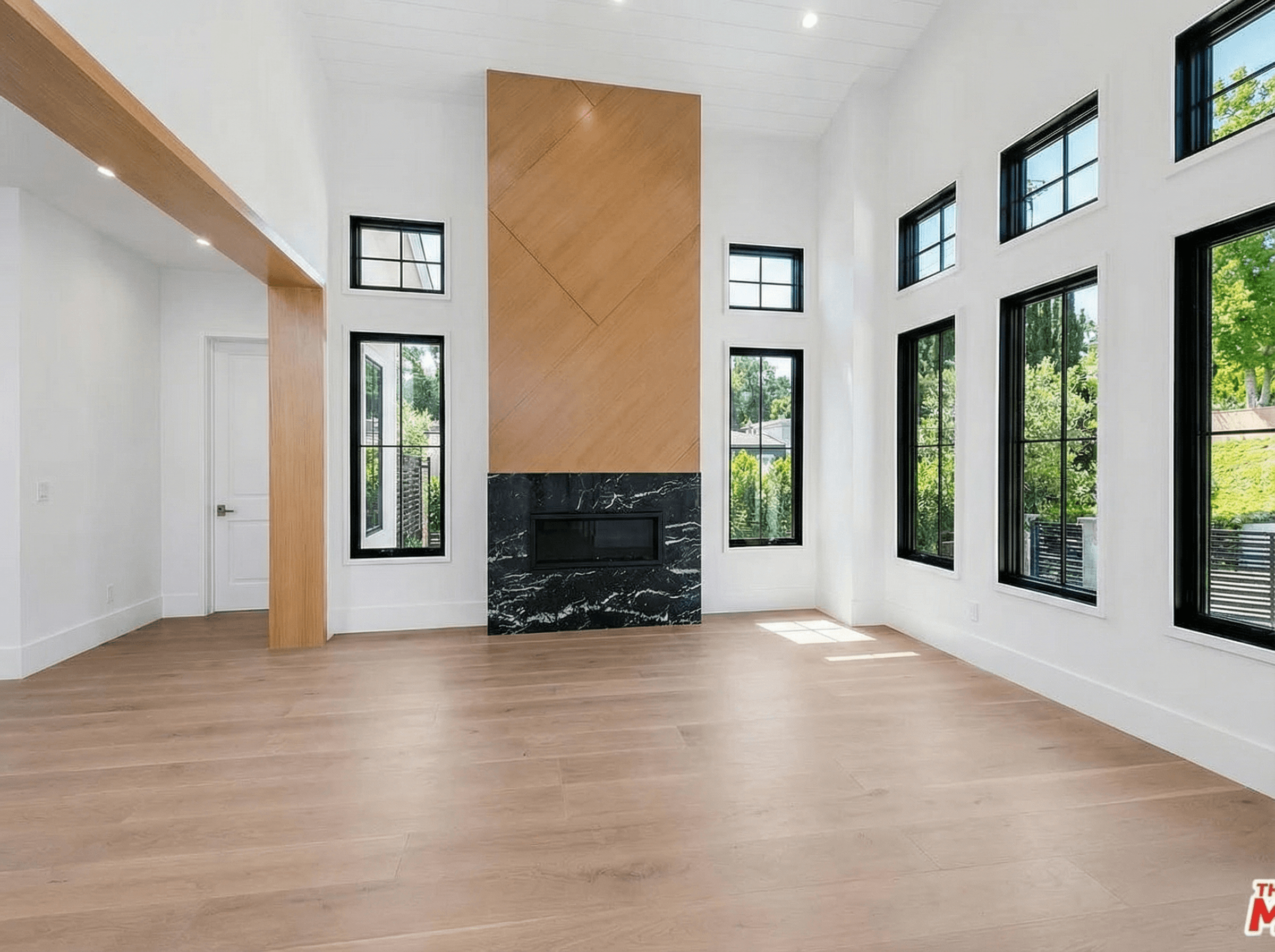
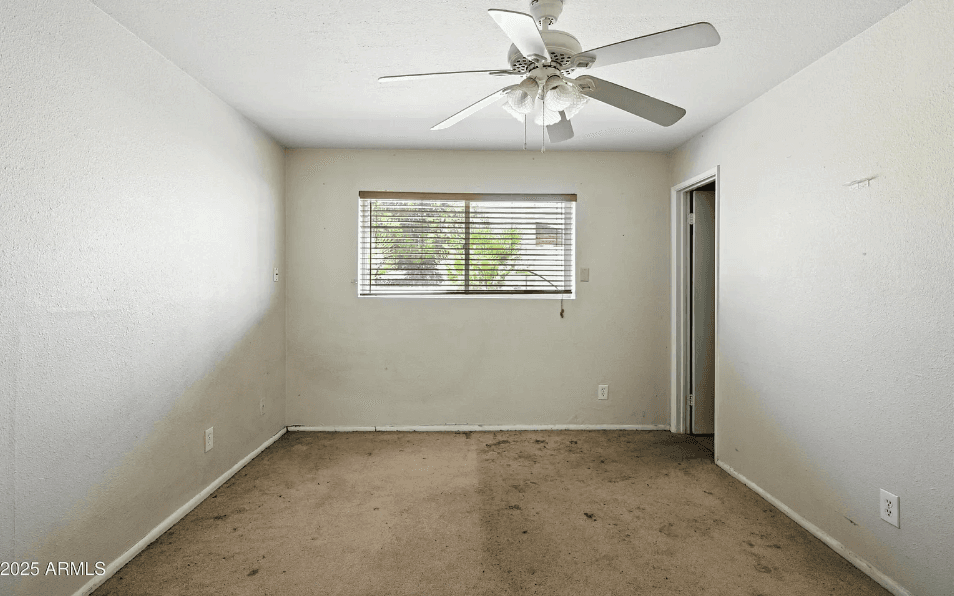
Across the country, many listings suffer from the same issue: the homes are technically beautiful, but emotionally vacant. Empty rooms photograph well enough, yet they fail to communicate what actually matters to buyers—how the space supports everyday life. Traditional virtual staging often makes this worse, introducing furniture that feels generic, overly styled, or obviously artificial.
The business problem was clear: how do you scale visual content for homes nationwide while preserving authenticity, warmth, and trust—without resorting to formulaic, AI-plastic imagery that distances buyers instead of inviting them in?
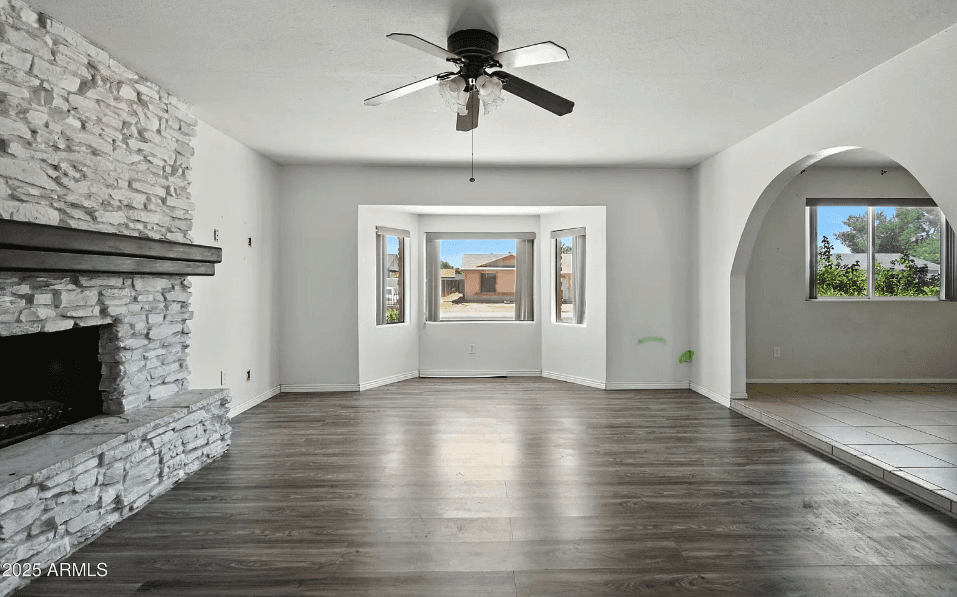
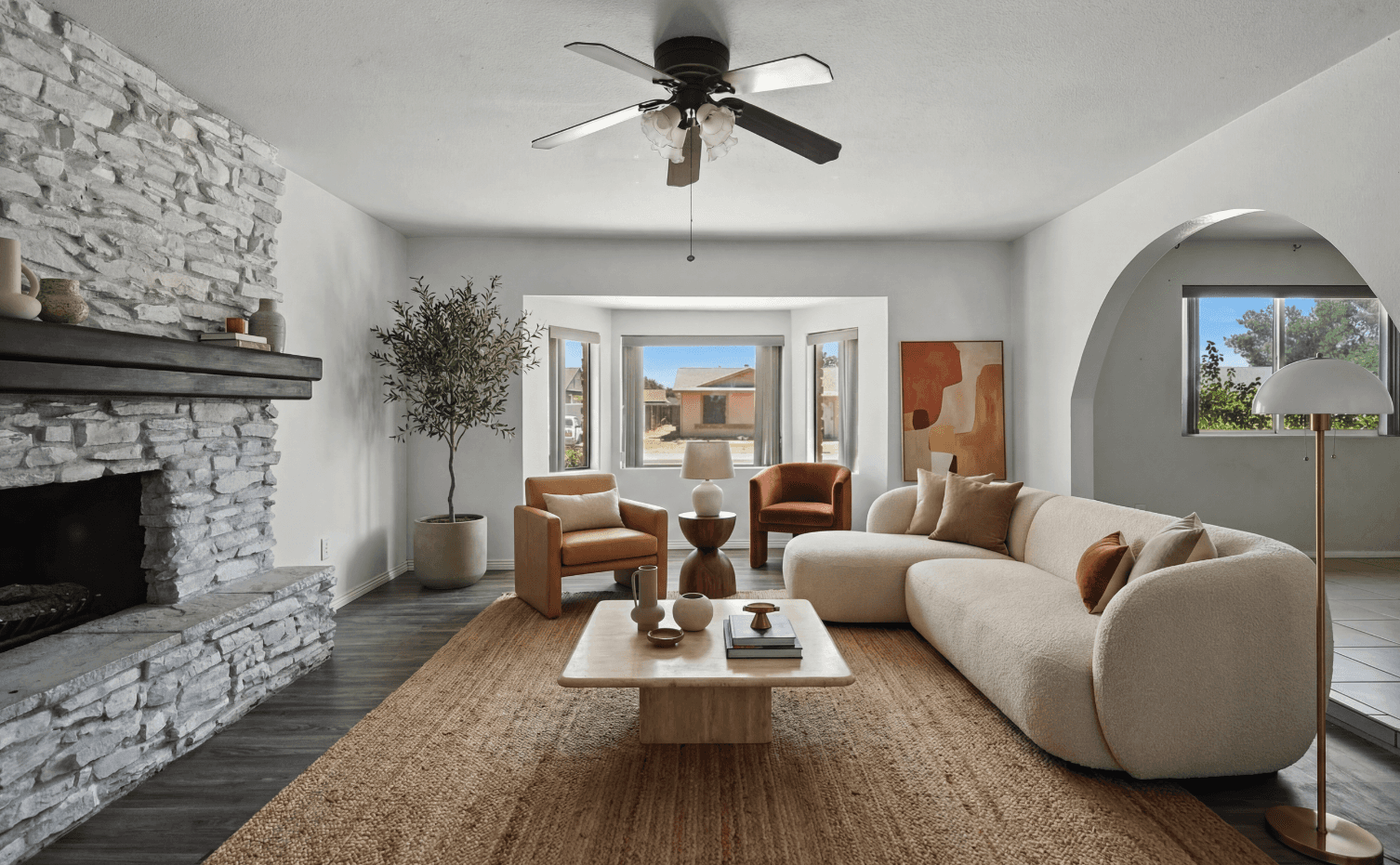
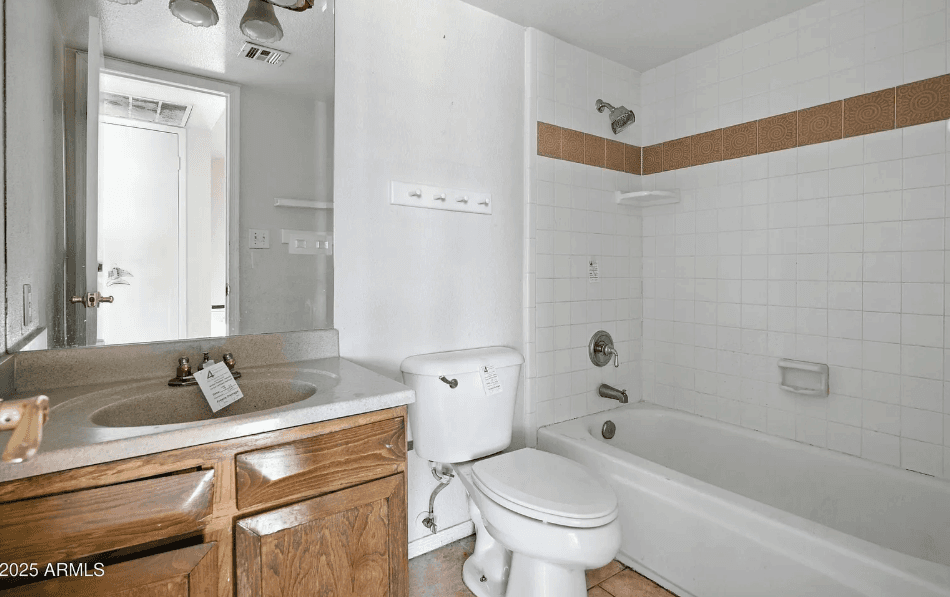
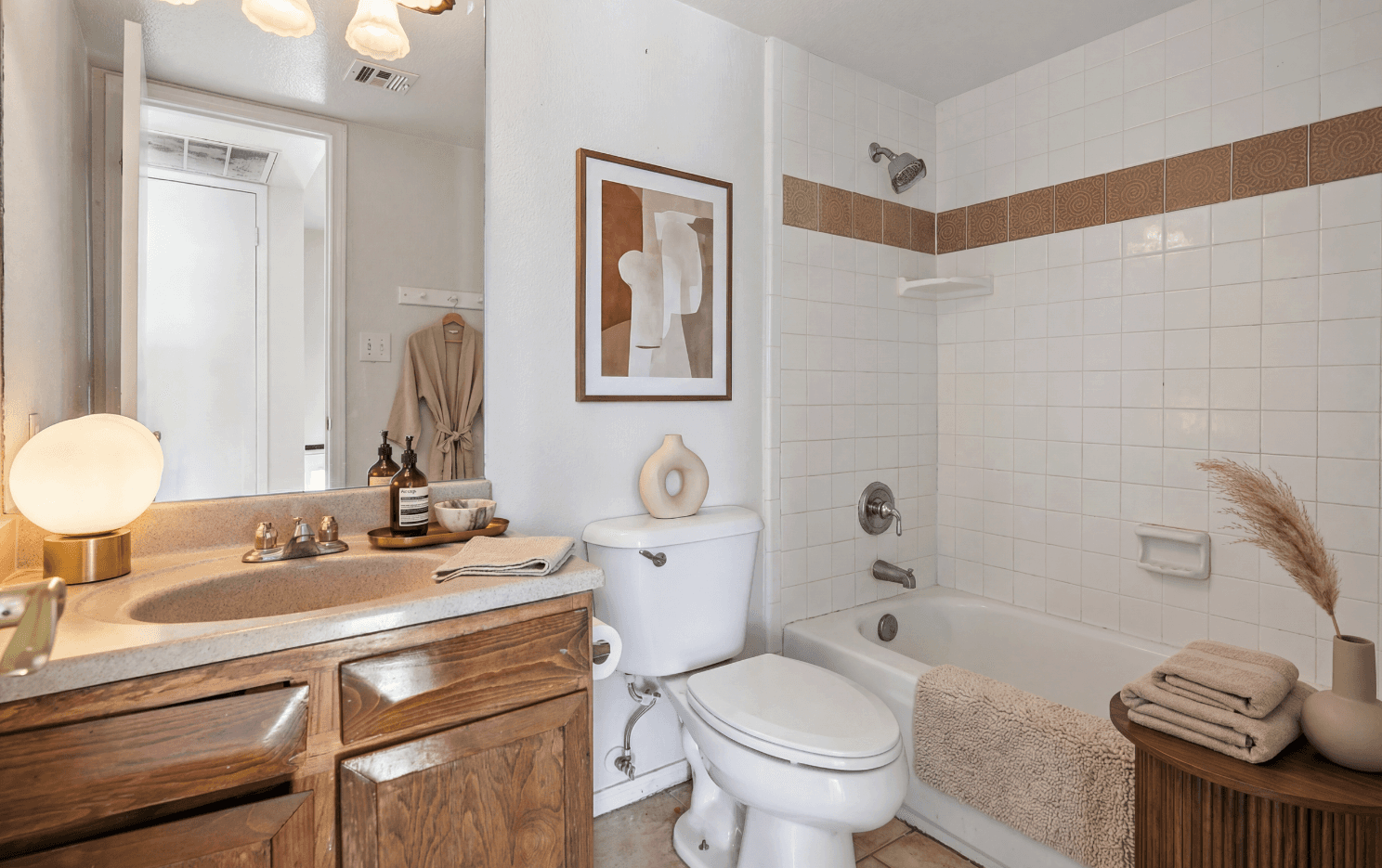

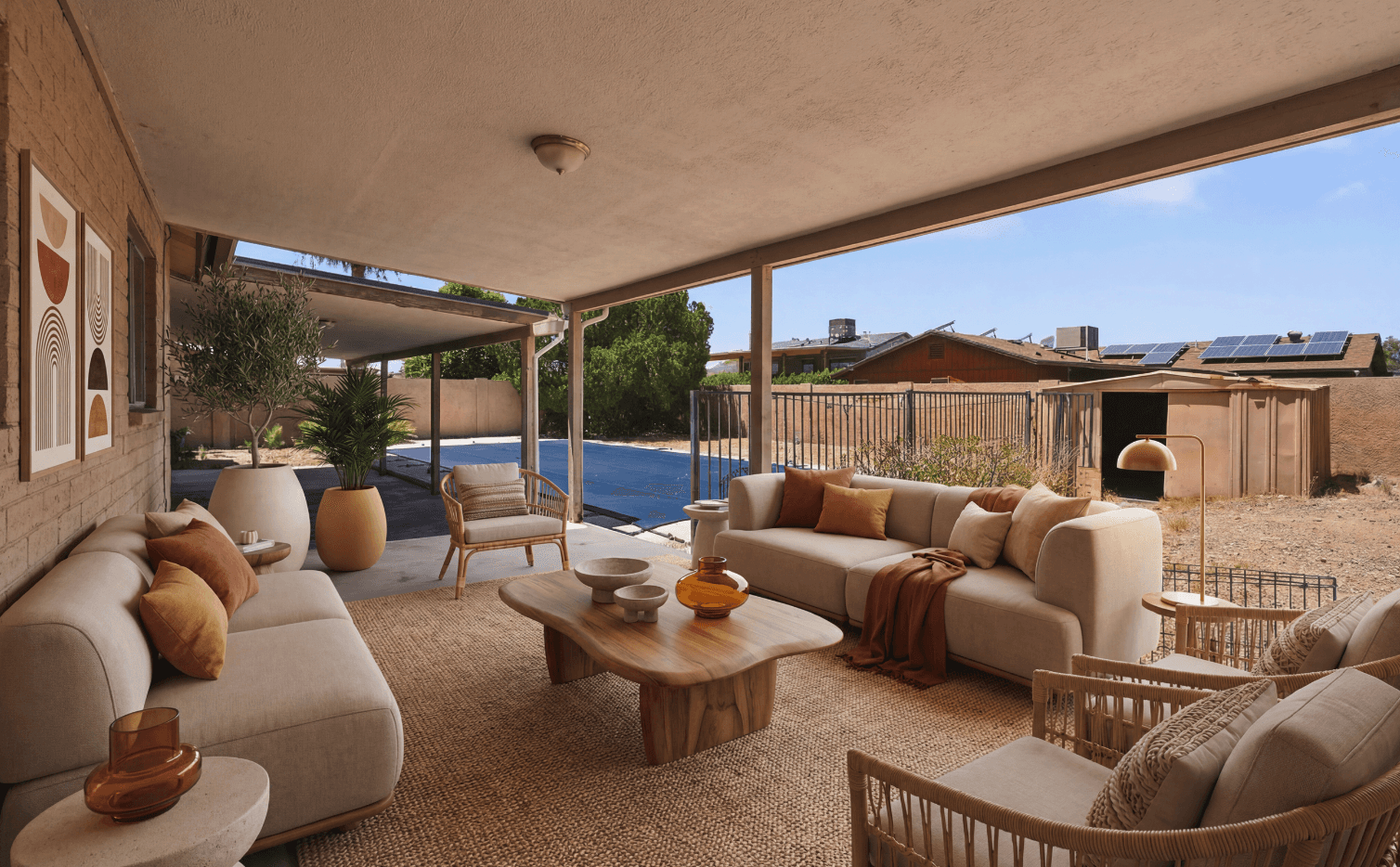
People don’t fall in love with houses—they fall in love with living in them.
We recognized that buyers aren’t looking to be impressed by design alone. They’re subconsciously asking: Can I see myself waking up here? Hosting here? Unwinding here?
What most virtual staging misses is the human layer—the quiet details that suggest presence, routine, and comfort. When spaces feel overly polished or digitally perfect, they stop feeling real. The most compelling homes are the ones that feel lived in, without feeling cluttered or staged.
The insight was that warmth, restraint, and believable human touch create far more emotional pull than dramatic transformations ever could.
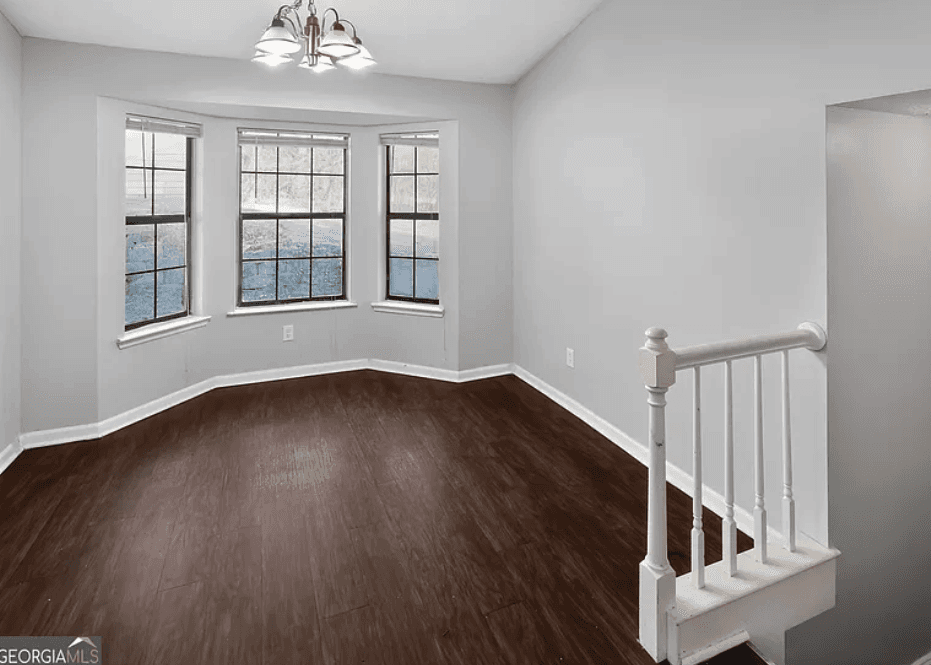
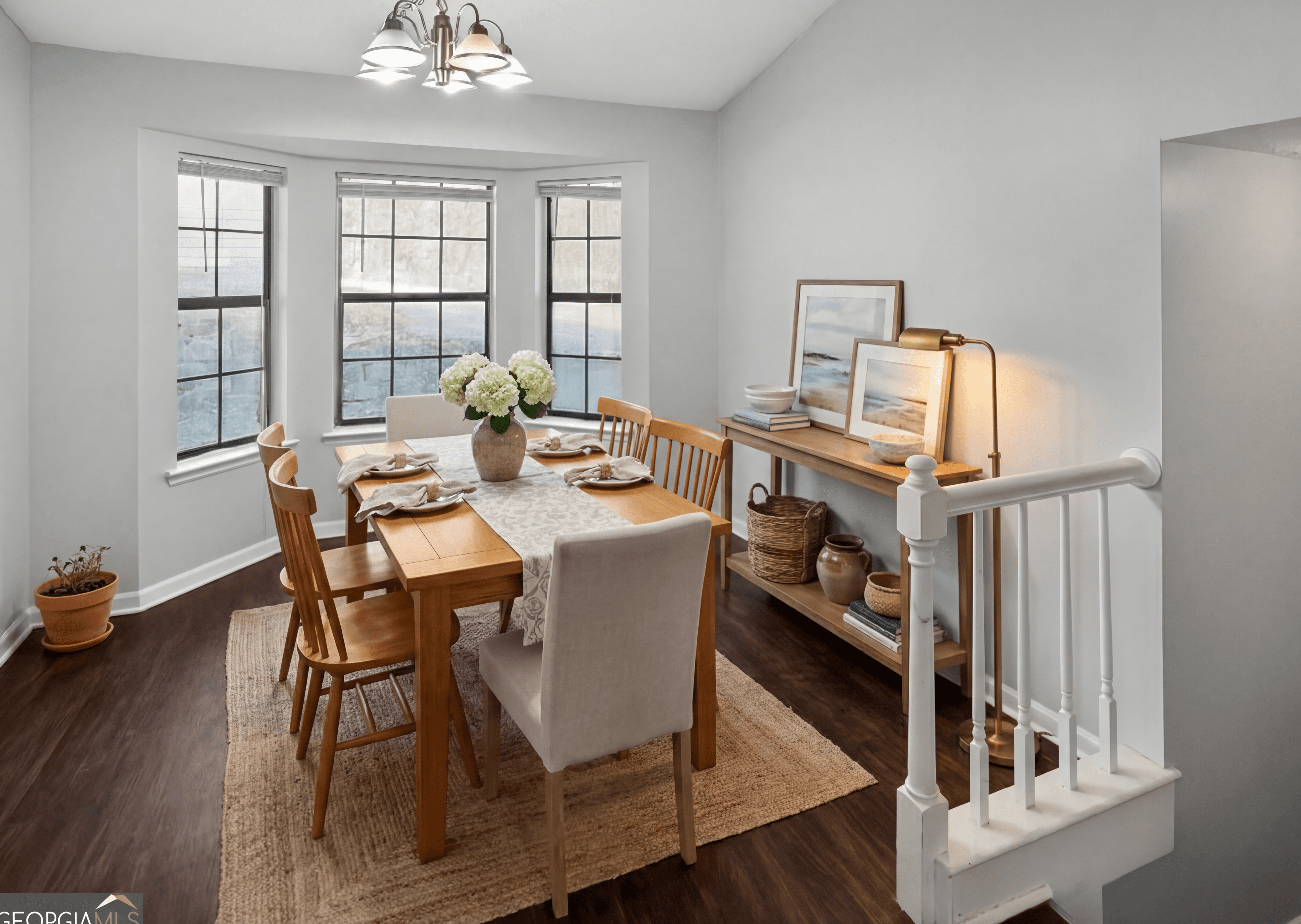
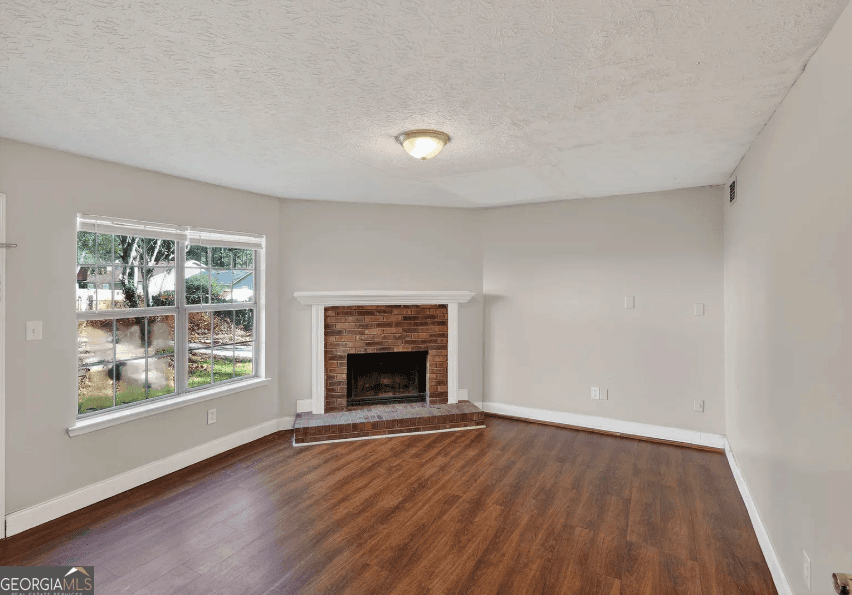
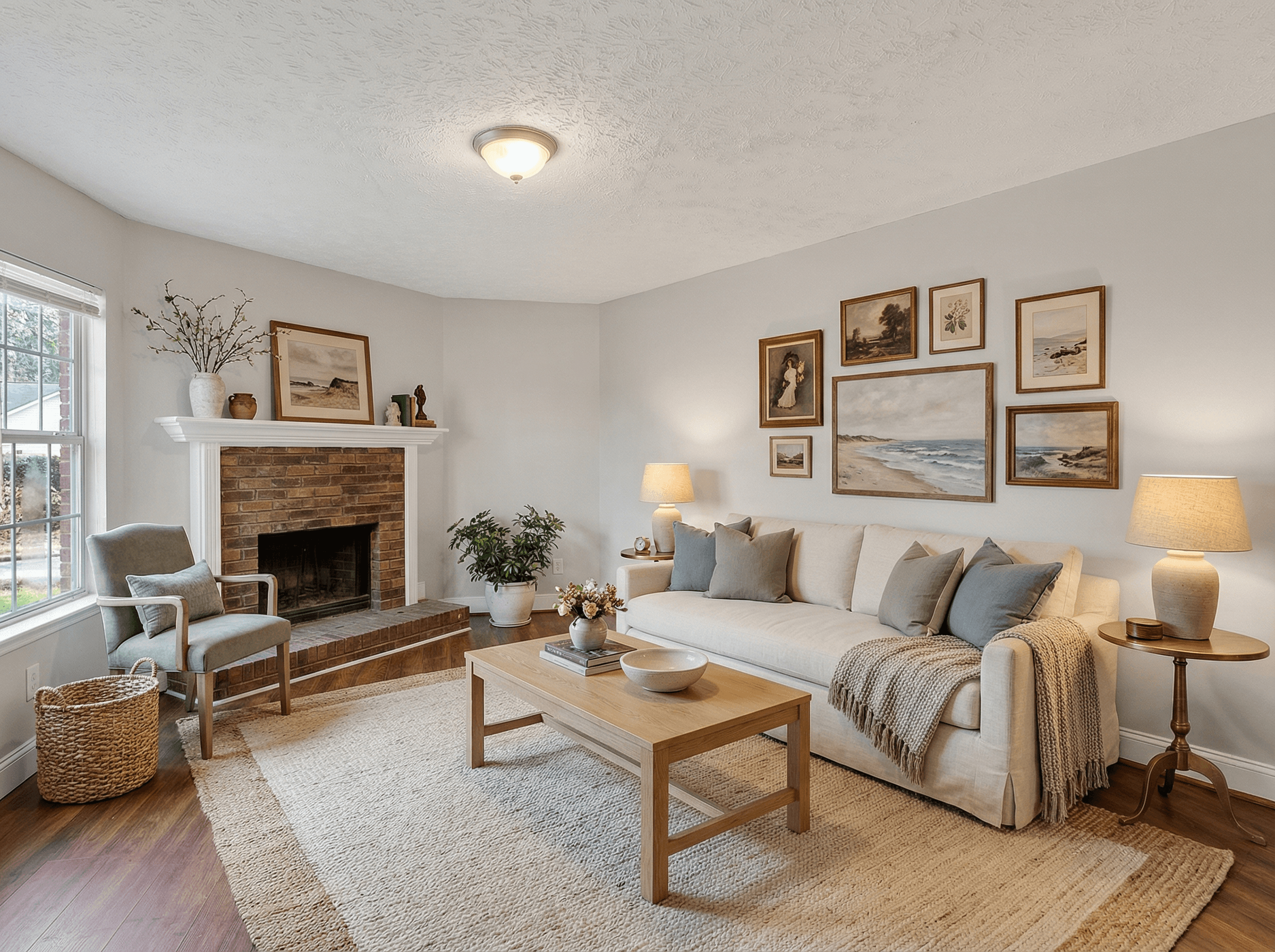
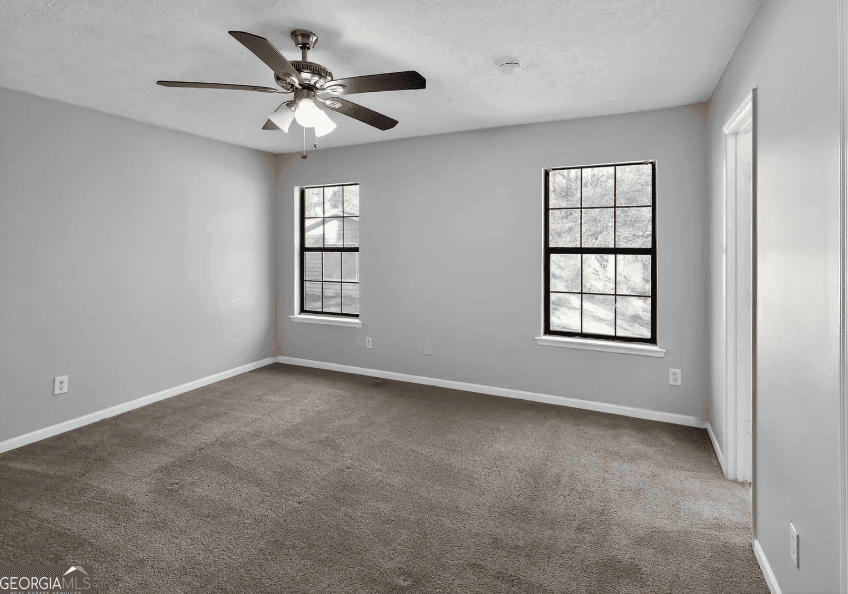
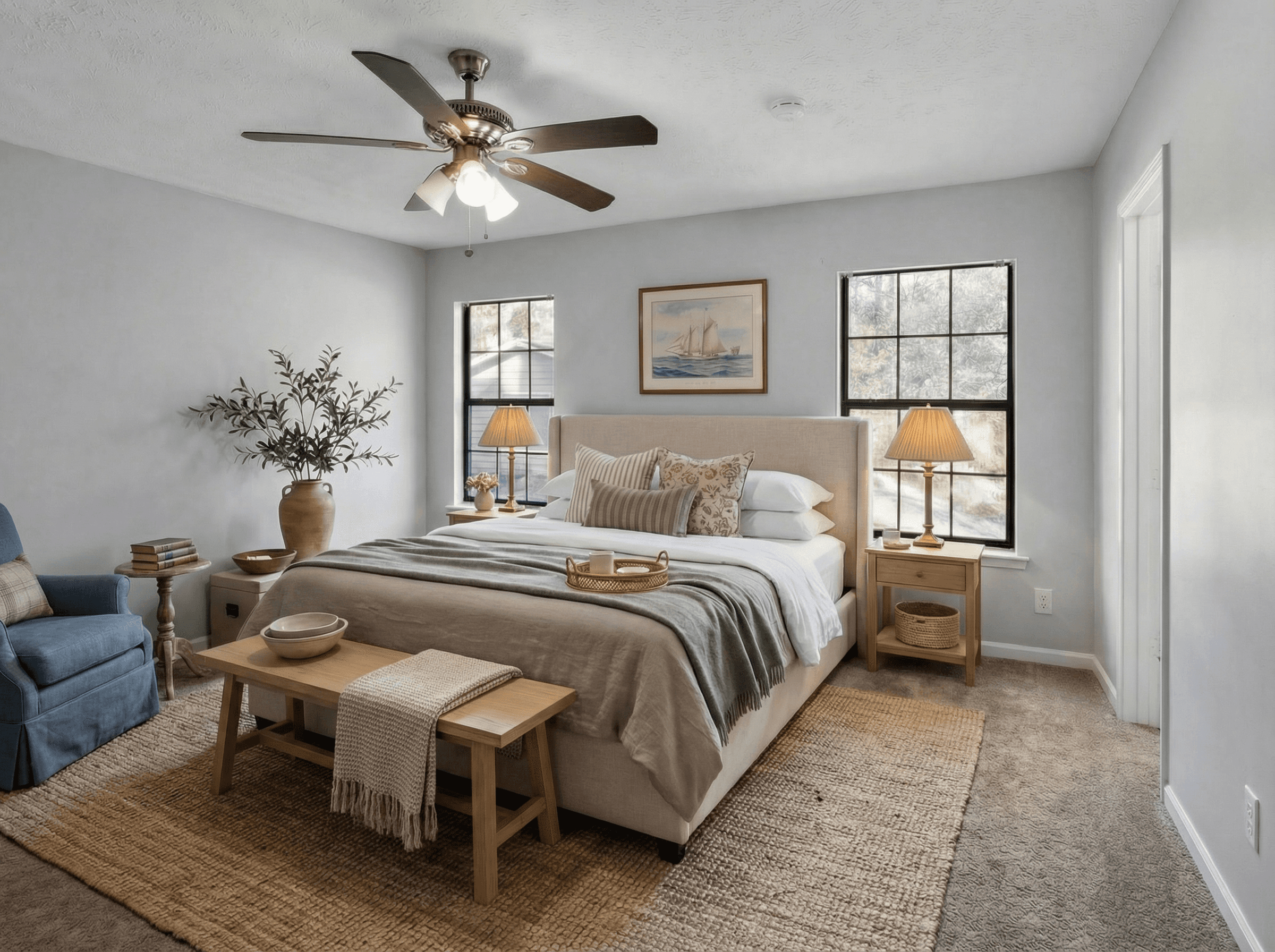
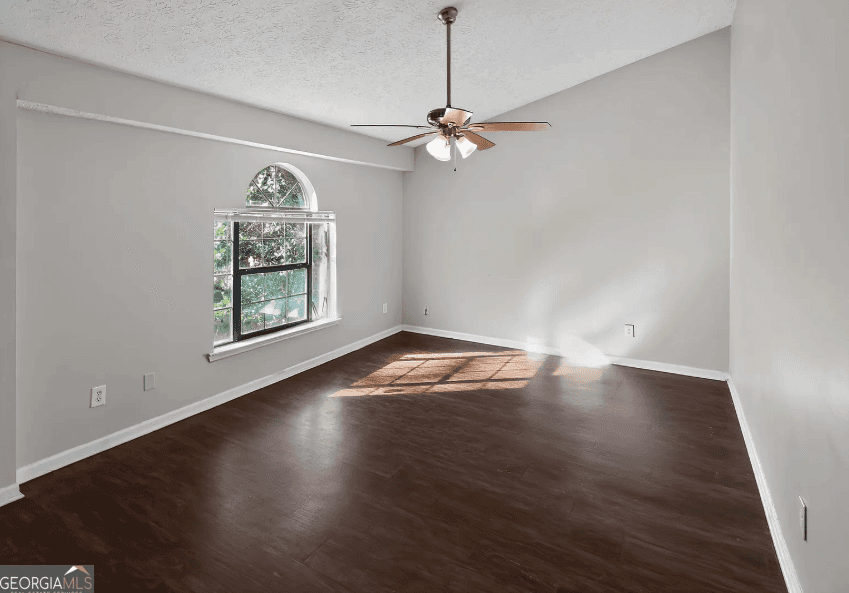
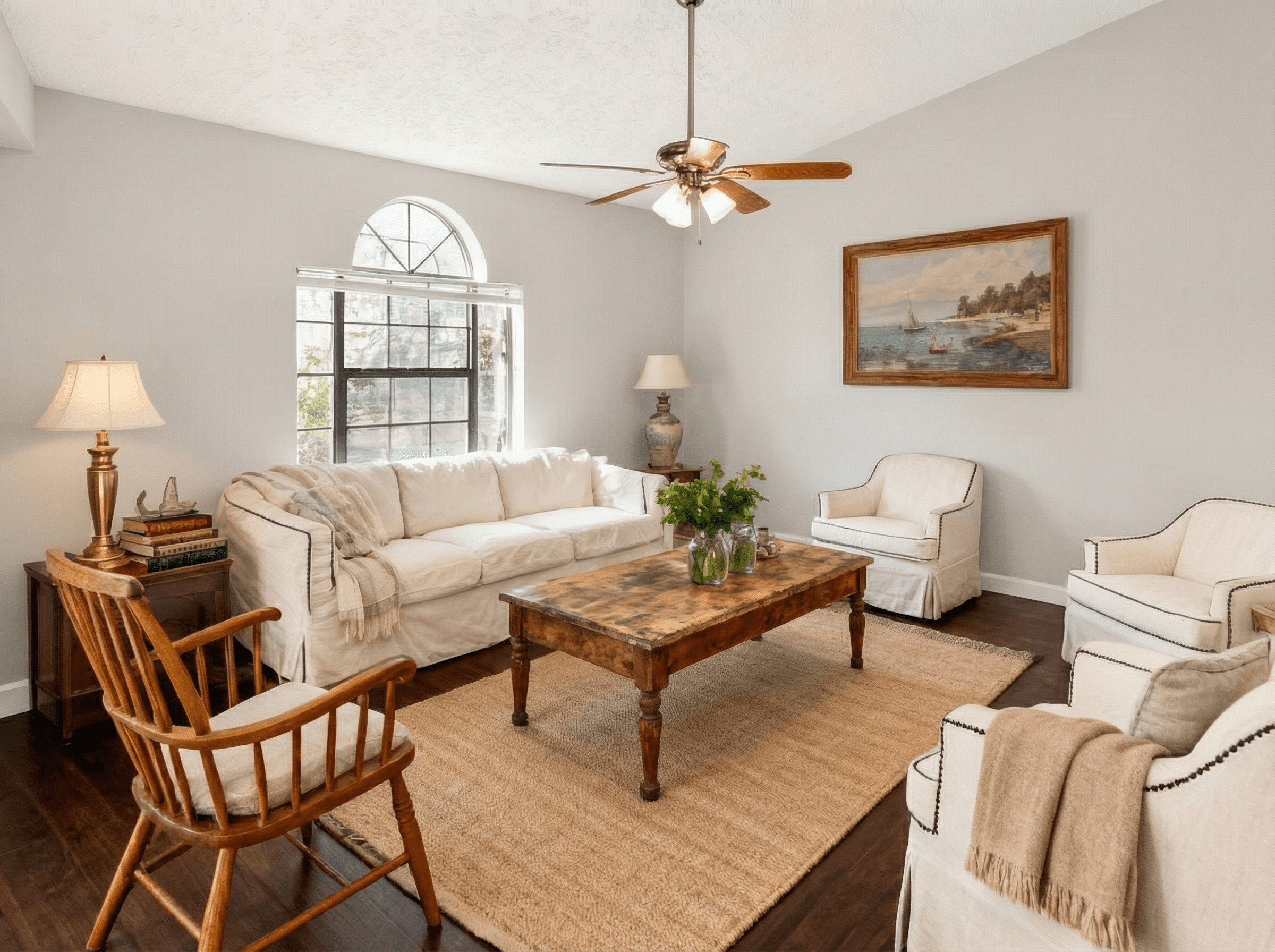
Human-centered staging that prioritizes livability, powered by AI precision.
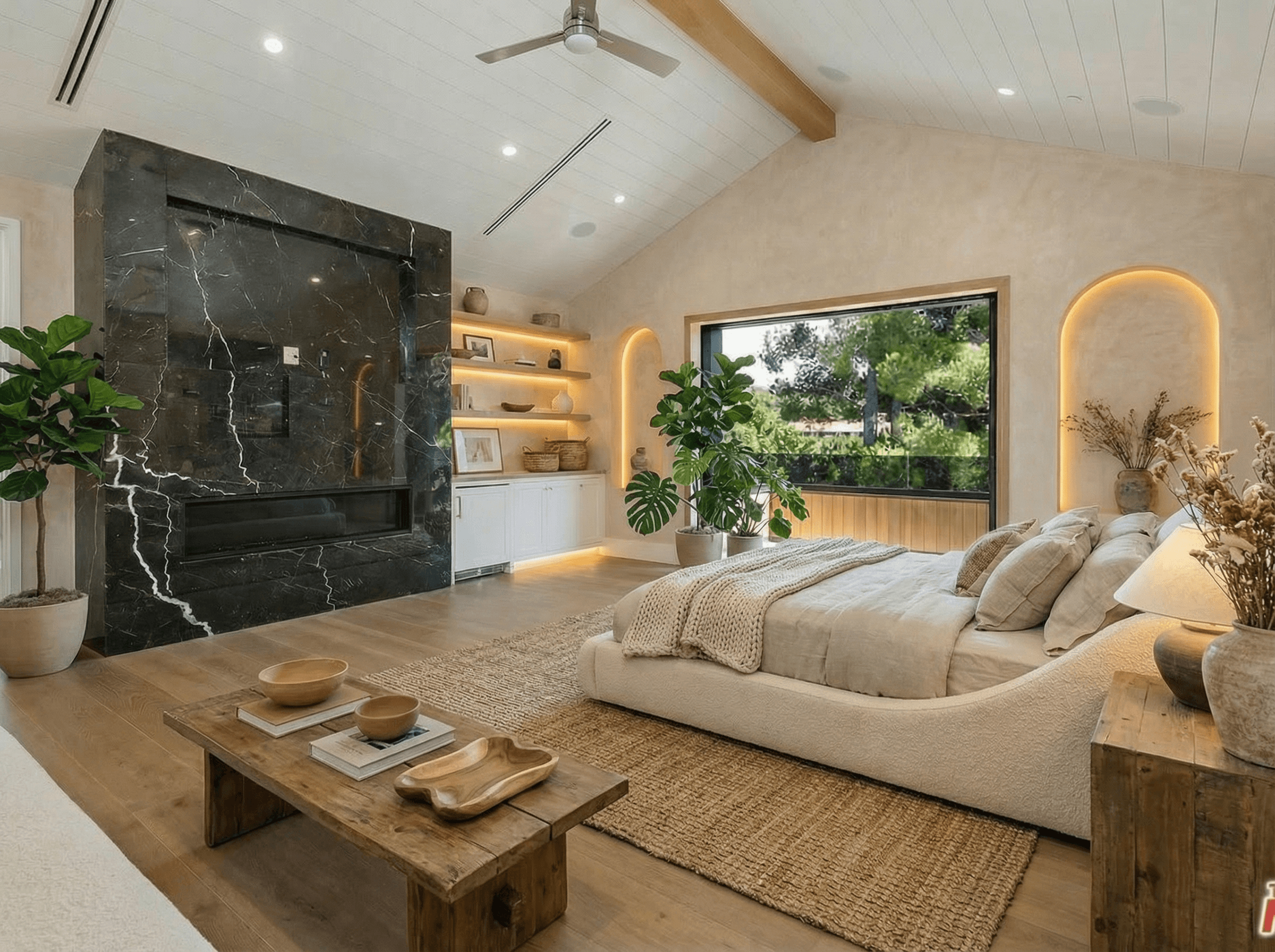
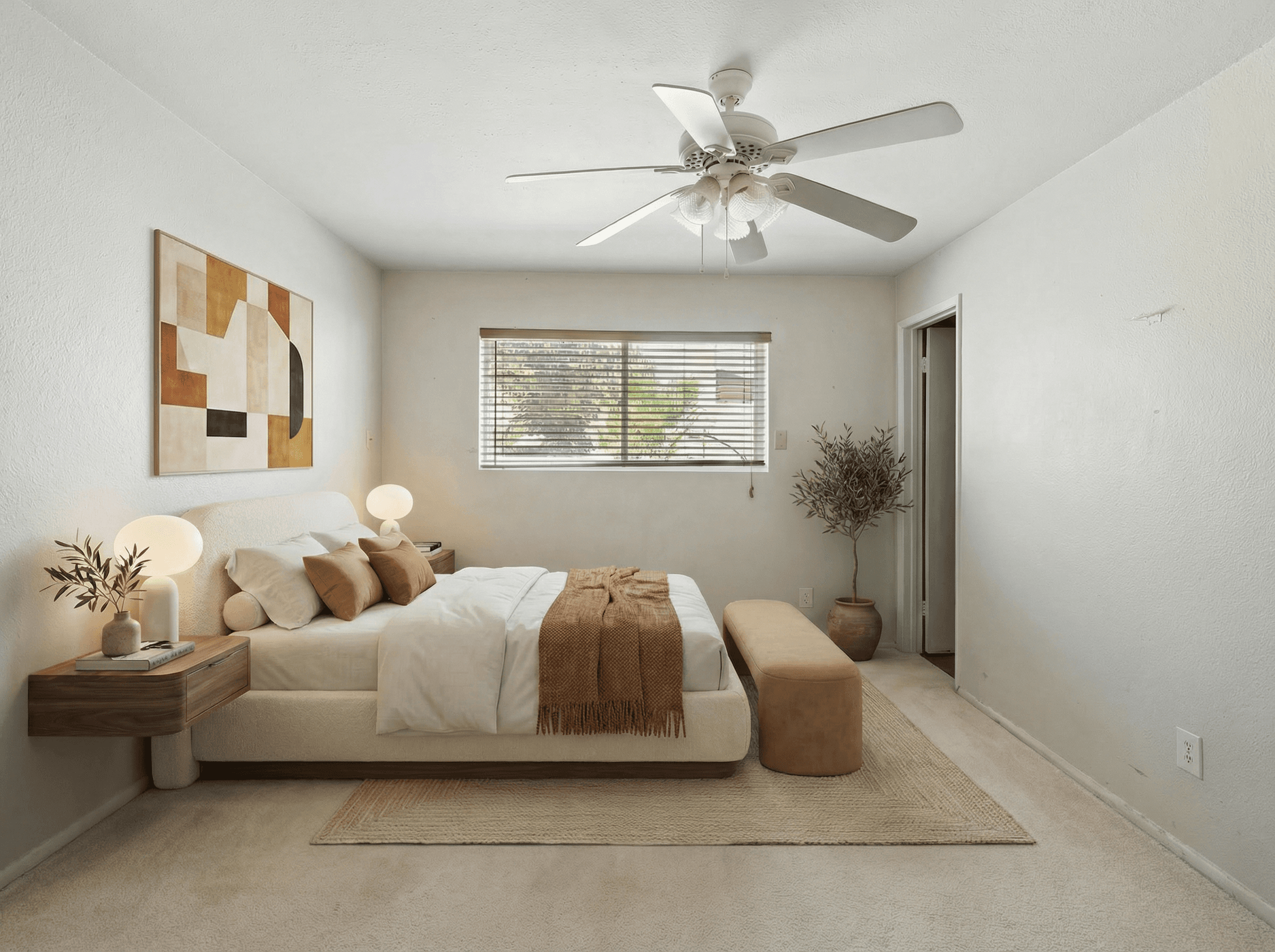
Cliffside Studios developed a nationwide staging approach focused on human presence without human distraction. Every project begins with strict architectural fidelity: the room remains exactly as photographed—same proportions, same light, same reality. From there, we layer in subtle, intentional design choices that suggest how life unfolds in the space.
Furniture layouts emphasize comfort and flow. Decor choices feel personal but not prescriptive. Textures, lighting accents, and spatial balance are used to add depth and warmth without overwhelming the architecture. Nothing feels placed for effect—everything feels placed for living.
AI enables speed, consistency, and scale, but human taste drives the outcome. Each space is treated as a real environment for real people, not a digital canvas. The result is imagery that feels natural, elevated, and emotionally accessible—helping buyers envision their daily lives in the home, not just admire it from a distance.
By focusing on livability over spectacle, this project reframes virtual staging as a trust-building tool—one that helps homes across the country feel welcoming, authentic, and ready to be lived in.